

Conclusión principal: ¿Qué aspecto tienen las cataratas? Depende de quién las observe. Desde el interior, los cambios se manifiestan primero: visión borrosa, pérdida de color y halos alrededor de los faros, mucho antes de que se vea algo en el espejo. Desde el exterior, una catarata incipiente permanece invisible, convirtiéndose en una neblina grisácea o amarillenta detrás de la pupila solo en etapas avanzadas.
Una mañana en La Jolla Cove solía significar azules intensos y luz brillante sobre el agua. Últimamente esa luz se siente más dura y los colores no son tan vivos. Cambios como estos hacen que la mayoría de la gente busque respuestas y, finalmente, cataratas, donde surge la misma pregunta: ¿Qué aspecto tienen las cataratas? La búsqueda casi siempre arroja las mismas fotos de archivo de ojos lechosos y descoloridos, lo que te lleva a mirarte al espejo para comprobar los tuyos, solo para no encontrar nada. La razón es simple: Una catarata puede estar muy avanzada y aun así dejar el ojo perfectamente transparente, alterando la visión mucho antes de que cambie la apariencia. En Alvarado Eye Associates, el Dr. Lee Katzman ayuda a los pacientes de San Diego a comprender qué son las cataratas, cómo cambian la visión y qué aspecto tienen realmente, por dentro y por fuera.
¿Qué es una catarata y por qué se forma?
A pesar de lo que pueda parecer, una catarata no es un crecimiento ni una película que se forme sobre el ojo. Es el cristalino natural del ojo, la parte que enfoca la luz en la retina, de forma muy similar a como lo hace la lente de una cámara. El cristalino está formado por agua y proteínas dispuestas con precisión que lo mantienen transparente. Con el paso de los años, estas proteínas se descomponen y se agrupan, y es precisamente esta acumulación la que lo empaña, dispersando la luz, atenuando los colores y, finalmente, haciéndose visible detrás de la pupila. Para la mayoría de las personas, es simplemente parte del envejecimiento, que suele comenzar entre los 40 y los 50 años, y es casi universal a partir de los 70, aunque la exposición al sol, la diabetes y el tabaquismo pueden acelerar el desarrollo de cataratas.
¿Qué aspecto tienen las cataratas desde el interior?
Para la mayoría de los pacientes, una catarata se manifiesta a través de su visión mucho antes de que sea visible para los demás. Los primeros cambios son sutiles y fáciles de atribuir a la edad, la fatiga ocular o un parabrisas sucio. Lo más importante es el patrón: una conducción nocturna difícil es normal, pero si esa misma conducción se vuelve más difícil durante varios meses, es señal de que se debe realizar una revisión. En Alvarado Eye Associates, estos son los cambios que el Dr. Katzman escucha con mayor frecuencia describir a sus pacientes:
Una ligera neblina lo cubre todo, como una ventana ligeramente empañada que no se puede limpiar.
Los colores pierden viveza, los blancos se tornan amarillentos y todo adquiere un ligero tono ámbar.
Halos y destellos alrededor de los faros de los coches y las farolas por la noche.
Nueva sensibilidad al deslumbramiento en condiciones de mucha luz, como el sol del mediodía reflejado en el agua.
Necesitarás más luz que antes para leer y ver la letra pequeña.
Visión nocturna más tenue, lo que hace que conducir de noche requiera más esfuerzo que antes.
Cambios en la prescripción médica que no se mantienen, funcionan bien durante unos meses y luego ya no.
Imágenes duplicadas o fantasma en un ojo, incluso con el otro ojo cerrado.
Autoevaluación rápida: Tápese un ojo y mire algo blanco liso a plena luz del día, luego cambie de ojo. Si el blanco se ve más cálido, más amarillo o más borroso a través de un ojo que del otro, vale la pena comentándolo con el Dr. Katzman en tu próximo examen.
Imágenes de cataratas en el ojo: ¿Cómo se ve cada etapa?
Desde el exterior, el aspecto de una catarata depende completamente de su grado de desarrollo, y durante la mayor parte del tiempo no se aprecia nada. Estas imágenes de cataratas en el ojo muestran la misma afección en tres etapas, desde un ojo que parece completamente sano hasta uno con opacidad visible:
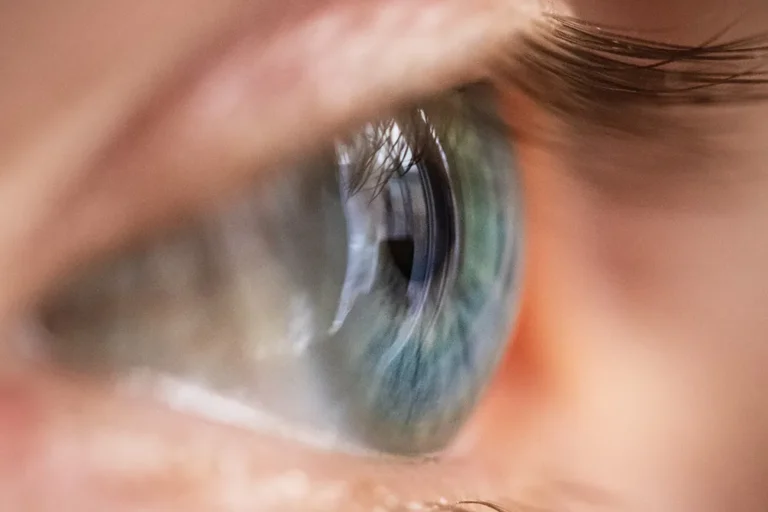
Temprano: La pupila se ve completamente normal para ti, para tu familia y en las fotos, incluso cuando el cristalino comienza a nublarse lentamente. Es posible que aún no notes casi nada, o solo un cambio mínimo: las luces se ven un poco más nítidas por la noche, los colores un tono menos vivos. Las cataratas casi siempre se detectan en esta etapa durante un examen de rutina, mucho antes de que algo parezca anormal en el espejo.
Moderado: Aún no se aprecia nada a simple vista; la pupila permanece oscura y transparente desde el exterior. Sin embargo, su visión ha empeorado: aparecen halos alrededor de los faros, el deslumbramiento dificulta la conducción nocturna y la graduación de las lentes ya no es suficiente. Es entonces cuando la mayoría de los pacientes de San Diego acuden a consulta, motivados por lo que ellos mismos ven, más que por algo que los demás puedan notar.
Avanzado: Ahora, visible desde el exterior, se observa una neblina turbia, blanquecina, grisácea o marrón amarillenta detrás de la pupila, donde normalmente solo se vería negro. En este punto, la visión se ve considerablemente limitada, con visión borrosa, colores apagados y verdadera dificultad en condiciones de poca luz. Una catarata en esta etapa aún es muy tratable, y simplemente significa que hay menos motivos para esperar.
Una breve nota sobre lo que encontrarás en otros sitios web: La mayoría de las fotografías de cataratas en el ojo muestran casos avanzados, simplemente porque son los que una cámara puede captar. Las etapas iniciales y moderadas que se muestran arriba son las que la mayoría de las personas realmente tienen, y se ven mucho menos llamativas de lo que sugieren las imágenes en línea. Para cuando una catarata es visible, todavía es muy tratable: el Dr. Katzman realiza cirugía de cataratas con éxito en cada etapa, con La recuperación suele ser más rápida de lo que los pacientes esperan..
¿Qué aspecto tienen los tres tipos principales de cataratas?
La respuesta varía según el tipo.. La etapa indica el grado de avance de la catarata; el tipo indica en qué parte del cristalino se formó, lo que determina qué síntomas aparecen primero. Es una distinción que el Dr. Katzman analiza minuciosamente para cada paciente de San Diego.
Cataratas nucleares: Se forma una mancha en el centro del cristalino, dándole un tono amarillo o ámbar. La visión de lejos se vuelve borrosa primero y los colores adquieren un tono cálido; algunos pacientes incluso notan una mejoría temporal en la visión de cerca antes de que desaparezca. Este es el tipo más común relacionado con la edad.
Cataratas corticales: En el borde exterior del cristalino se forman como radios blancos en forma de cuña que apuntan hacia adentro, como los radios de una rueda. Debido a que dispersan la luz directamente, el deslumbramiento y los halos suelen ser lo primero que notan los pacientes, a menudo mucho antes de que su visión se vuelva borrosa.
Cataratas subcapsulares posteriores: Se forman como una pequeña nube densa en la parte posterior del cristalino, justo en la línea de visión. Suelen progresar más rápido y afectan con mayor intensidad la visión de lectura y la visión con luz brillante, razón por la cual los pacientes a menudo las notan primero al entrecerrar los ojos para leer un menú en un restaurante iluminado por el sol.
Determinar el tipo de catarata es donde comienza la planificación del Dr. Katzman. Esto determina todo, desde el momento de la cirugía hasta... lente premium Adaptado a tu forma de ver, trabajar y vivir en San Diego.
¿Cuáles son algunas de las preguntas sobre cataratas que más escucha el Dr. Katzman?
Estas preguntas suelen surgir en la consulta, justo después de que el paciente describa un síntoma que ha estado siguiendo discretamente durante meses.
¿Cuándo puede el Dr. Katzman detectar una catarata?
Años antes de que pudieras verlo reflejado en un espejo. Bajo una lámpara de hendidura, un haz de luz brillante amplificado a través del cristalino permite al Dr. Katzman detectar con precisión dónde se está formando la opacidad, su densidad y la capa afectada, mucho antes de que altere la visión. Gracias a la avanzada tecnología de diagnóstico de Alvarado Eye Associates, esta información anticipada es lo que posibilita una planificación temprana y sin prisas.
¿Puede una fotografía normal mostrar una catarata?
Normalmente no. En ocasiones, la fotografía con flash capta una catarata avanzada como un reflejo grisáceo o ámbar donde la pupila debería verse oscura, pero las cataratas incipientes y moderadas casi nunca se aprecian en una foto tomada con un teléfono móvil. Por eso, las imágenes clínicas de cataratas que se encuentran en internet son casi todas de casos avanzados, tomadas con iluminación especializada. La forma más fiable de detectarlas a tiempo es mediante un examen ocular, donde el Dr. Katzman puede ver el cristalino con claridad mucho antes que una cámara.
¿Qué significa realmente una pupila turbia o grisácea?
En los adultos, la opacidad visible detrás de la pupila suele indicar un problema. catarata que ha alcanzado una etapa avanzada. No es una emergencia, pero vale la pena. reservar un examen pronto para que el Dr. Katzman pueda confirmar la causa y hablar sobre los plazos.
¿Cuánto tiempo tengo entre notar los síntomas y necesitar cirugía?
Para la mayoría de los pacientes, varios años. Las cataratas relacionadas con la edad progresan lentamente, por lo que la cirugía es electiva en el sentido más estricto: usted elige el momento según cómo su visión afecte su vida. La única excepción son las cataratas subcapsulares posteriores, que pueden progresar en cuestión de meses, y son una de las razones por las que al Dr. Katzman le gusta establecer una base de referencia de cómo se está desarrollando su catarata desde el principio. También es importante comprender que la complejidad de la cirugía de cataratas aumenta a medida que aumenta la densidad de la catarata. A veces, retrasar la cirugía aumentar su riesgo de complicaciones quirúrgicas. Le recomendamos leer nuestra publicación sobre Qué esperar antes, durante y después de la cirugía de cataratas. para que puedas familiarizarte con el proceso.
¿Por qué un ojo parece estar peor que el otro?
Esto se debe a que las cataratas suelen desarrollarse a ritmos diferentes en cada ojo. Ese desequilibrio es a menudo lo que hace que una catarata sea perceptible en primer lugar, ya que muchos pacientes detectan la diferencia al taparse un ojo a la vez.
¿Listo para volver a ver San Diego con claridad? Programe su evaluación de cataratas.
Si el deslumbramiento, la neblina o la pérdida de color han comenzado a afectar su visión, no tiene que adivinar qué sucede detrás de su pupila. Para obtener una respuesta clara, los residentes de San Diego en La Mesa y Coronado acuden al Dr. Lee Katzman, quien realiza más cirugías de cataratas que cualquier otro proveedor en el condado. Su formación especializada y su avanzada tecnología de lentes significan Muchos pacientes terminan con una mejor visión. que en décadas. Para saber en qué punto se encuentra tu propia visión, Contacte con Alvarado Eye Associates en 619-460-3711 Para programar su consulta en una de nuestras sucursales de San Diego.